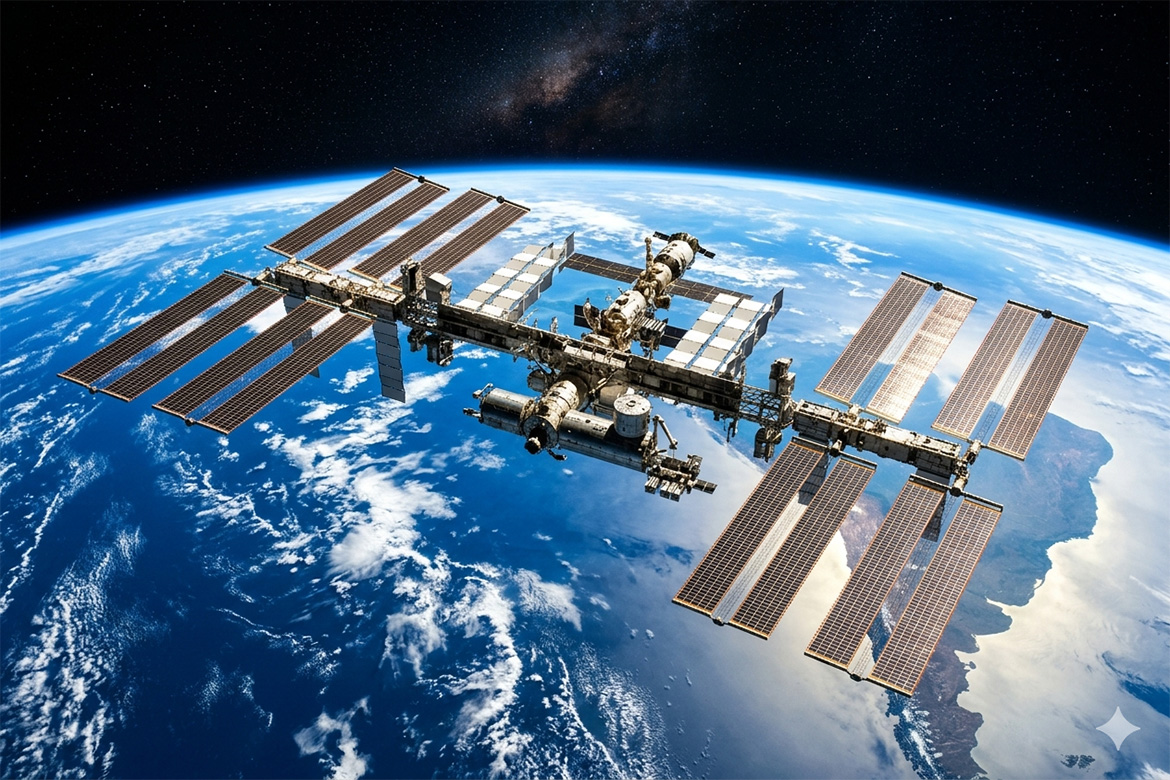
It’s refreshing to hear a government organization being upfront and honest for once. Astronaut Col. Mike Fincke has been making the rounds this week, explaining what happened to him and why he needed to be evacuated from the International Space Station. Fincke and the rest of the SpaceX Crew-11 members, Zena Cardman, Kimiya Yui, and Oleg Platonov, were launched into space on August 1, 2025, and were scheduled to return sometime in February 2026. However, the mission had to be cut short due to a medical problem that Fincke experienced. Fincke was scheduled to perform a spacewalk on January 8, 2026, but while eating dinner the day before, the other crew members noticed that he wasn’t talking and appeared to …
Astronomy
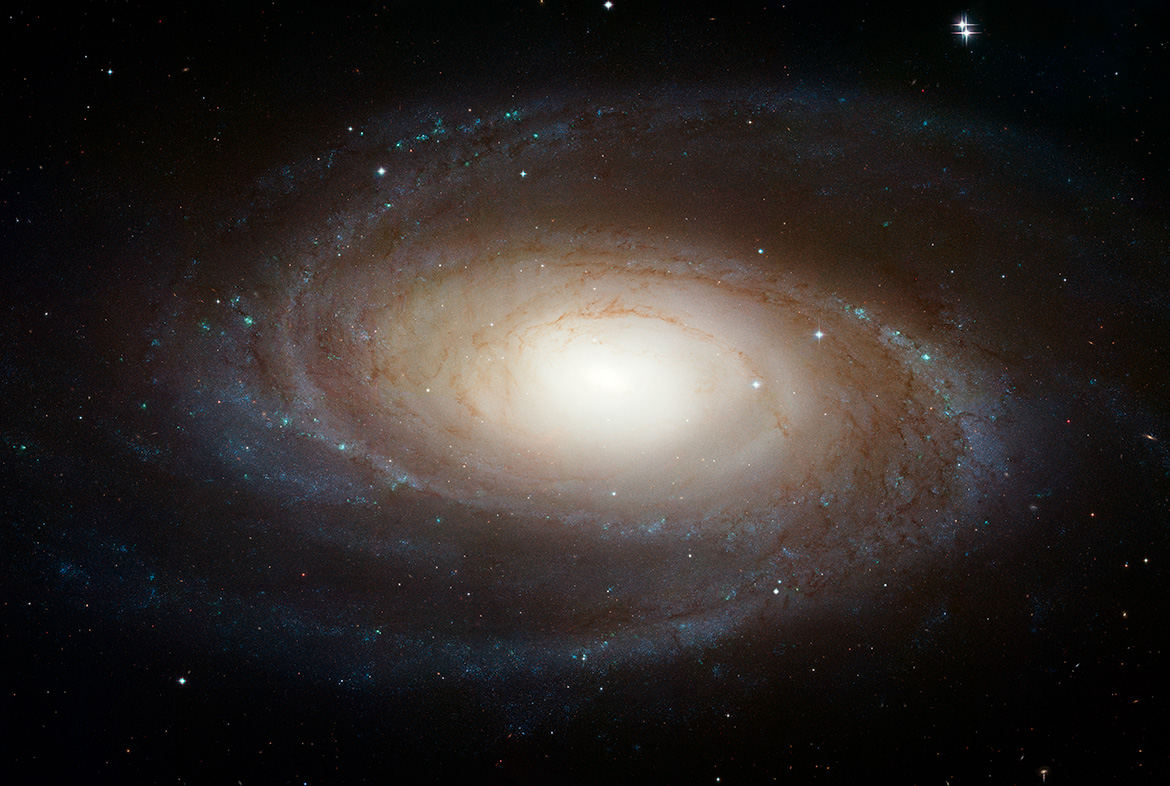
Here’s an interesting astronomical tidbit that people who don’t follow astronomy probably are unaware of. If you look into the night sky in the spring between March and June, the sky will seem dull and relatively few stars will be visible. Contrast this to looking at the same sky in the fall and early winter where you will view all sorts of bright stars and, if you’re in a dark site, you might even see the arc of the Milky Way and the faint glow of nebulae and star clusters. This is a result of the Earth’s rotation around the sun. If you remember your basic astronomy, the sun is located in the Milky Way galaxy and is positioned about …
The Horsehead Nebula and Flame Nebula (lower left). Narrowband hydrogen-alpha, sulfur II and oxygen III data was acquired over two nights, processed using Pixinsight and the channels were mapped to the Hubble Palette. Not my favorite color combination but it does bring out a lot of detail in the image. Astrophotography is tough. Before you can produce anything of interest, you first need to learn how to use your equipment to acquire images and then you need to learn how to use the software tools to process those images. On the acquisition side, you’re having to master the use of a lot of different hardware. You need to understand and be able to set up a telescope, a mount, an …
Finally some good weather. Thursday, 6/17/2/21 I had a chance to get out and do some astrophotography. Since I have a relatively small telescope and live in an area with a decent amount of light pollution, I decided the target would be IC5070, the Pelican Nebula. At this time of year Earth is facing away from the center of the galaxy during the night so the targets are limited; mostly consisting of galaxies. Even though the galaxies are massive, the distance from Earth makes them relatively small and without a decent size telescope the images you can produce of them are not too impressive. On top of that light pollution makes them difficult to shoot. Nebulas, on the other hand, …
This process applies to Sky-Watcher HEQ-5 and EQ6-R mounts but should work with other mounts with slight modifications to the procedure. Why do we need to Polar Align Since the Earth is constantly spinning around the celestial north pole, the stars will appear to move around that pole during the night. (It’s actually the Earth that’s moving but from our perspective it appears that stars are moving.)Polar alignment is the process of aligning the RA axis of our telescope mount with the celestial north pole so that when the motor moves our telescope around the RA axis throughout the night, it will track the stars properly. The above diagram shows the celestial north pole and the movement of a …